The Role of 3D Visualization in Making Product Presentations Easier
3D Visualization helps companies communicate product shapes, features, and concepts through interactive three-dimensional experiences that are easier to explore and understand.
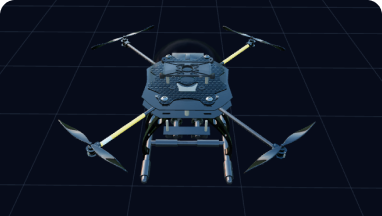
The Role of 3D Visualization in Making Product Presentations Easier
Introducing a product to potential customers is not always simple. Static images, photographs, and written descriptions may not provide enough information about a product's structure, features, or functionality.
This is where 3D Visualization can provide a different approach.
With three-dimensional visualization, products can be displayed from different angles, zoomed in and out, and presented in different environments or scenarios.
This makes product information easier to explore and understand.
What Is 3D Visualization?
3D Visualization is the process of creating a three-dimensional digital representation of an object or concept.
The model can be created from design data, technical references, or an existing physical product.
3D visualization can be used for:
Product presentations
Marketing
Digital catalogs
Websites
Simulations
Training
Product demonstrations
Instead of relying entirely on physical products, companies can use digital models to communicate product information.
Why Is 3D Visualization Important?
The purpose of a product presentation is to communicate information clearly.
However, some products cannot be fully explained through photographs alone.
Products with complex shapes, multiple components, or designs that are still under development can benefit from three-dimensional visualization.
3D models allow audiences to explore these products from multiple perspectives.
Show Products from Different Angles
One major advantage of 3D visualization is the ability to view a product from different angles.
For example:
Front → Side → Back → Top
With traditional presentations, companies may need multiple images to show each side.
With an interactive 3D model, users can explore the product from the angle they prefer.
Show Internal Components
3D visualization can also be used to reveal internal components that cannot normally be seen.
For example, a machine can be displayed with its outer casing removed so that internal components become visible.
This can help explain:
Component structures
Part locations
Relationships between components
System operation
Assembly processes
This approach is particularly useful for complex products.
Present Products Before They Are Manufactured
Another advantage of 3D visualization is the ability to present products that are still in the design stage.
Companies can create digital representations based on design specifications before a physical prototype is available.
These visualizations can be used for:
Client presentations
Design reviews
Marketing materials
Project proposals
Internal presentations
3D Visualization for Marketing
Visual content plays an important role in digital marketing.
3D visualization can be used in websites, promotional videos, digital catalogs, social media content, and interactive product experiences.
Products can be presented with different lighting, environments, and camera angles depending on the communication objective.
3D Visualization for Training
3D visualization is not limited to marketing.
It can also support training by providing interactive representations of products, machines, and technical systems.
For example, a machine can be displayed as a 3D model with labels identifying its components.
Learners can explore the model and understand each component before working with the actual equipment.
Integration with Interactive Technologies
3D visualization can be expanded by combining it with interactive technologies.
3D Web Experiences
Products can be displayed directly on websites so users can rotate and explore them.
Augmented Reality
Digital products can be placed within real-world environments through AR-enabled devices.
Virtual Reality
3D models can be placed inside virtual environments for more immersive experiences.
Simulation
Models can be used as part of simulations to demonstrate system operation or specific scenarios.
Challenges of 3D Visualization
Creating a high-quality 3D visualization requires careful planning.
Important factors include model quality, object detail, lighting, materials, animation, performance, and the intended use of the final visualization.
A website model may require different optimization than a model designed for simulation or engineering applications.
Therefore, the development process should be based on the intended purpose of the visualization.
Choosing the Right Level of Detail
Level of Detail (LOD) is an important consideration in 3D development.
Highly detailed models can provide more visual information but may require greater computing resources.
On the other hand, overly simplified models may not provide enough information.
The appropriate level of detail should therefore be determined based on the platform and intended use.
The Future of Product Presentation
As technology evolves, product presentations are moving beyond static images and conventional videos.
3D visualization allows companies to create more interactive experiences. When combined with AR, VR, and modern web technologies, products can be explored in ways that traditional media cannot easily provide.
Conclusion
3D Visualization provides companies with a flexible way to communicate product information through interactive digital experiences.
It can support presentations, marketing, digital catalogs, training, and simulation.
With the right planning and level of detail, a 3D model can become more than a digital image—it can become an interactive tool for helping audiences understand products more deeply.